

Delaware Gov. John Carney on Sept. 11 signed into law House Bill 154, the Delaware Personal Data Privacy Act. This makes Delaware the 12th state to enact a comprehensive consumer data privacy law.
Posts published by “Eric Rosenkoetter”
Eric Rosenkoetter is a principal at Maurice Wutscher LLP, and is focused on advising clients with respect to federal and state consumer financial protection laws and data privacy and security, and he is a Certified Information Privacy Professional though the International Association of Privacy Professionals. He also brings to the table experience as a litigator, chief compliance and ethics officer, director of legislative affairs, federal lobbyist, and administrative hearings officer. Eric earned his Juris Doctor from Washington University School of Law, and his Bachelor of Business Administration from Southern Methodist University. He is a member of the International Association of Privacy Professionals, the Receivables Management Association International (RMAI), and ACA International. He is admitted to practice law in Texas and Missouri and in the U.S. District Courts for the Northern, Southern, Eastern, and Western Districts of Texas. For more information, see https://mauricewutscher.com/attorneys/eric-rosenkoetter/

Oregon Gov. Tina Kotek has signed into law Senate Bill 619, making Oregon the 11th state to enact a comprehensive consumer data privacy law, following California, Virginia, Colorado, Utah, Connecticut, Iowa, Indiana, Tennessee, Montana, and Texas. The Act will go into effect July 1, 2024.

Nevada installment loan companies are subject to significant new data security requirements as specified in Nevada Senate Bill 355, which was approved by Gov. Joe Lombardo in June and goes into effect Oct. 1, 2023.
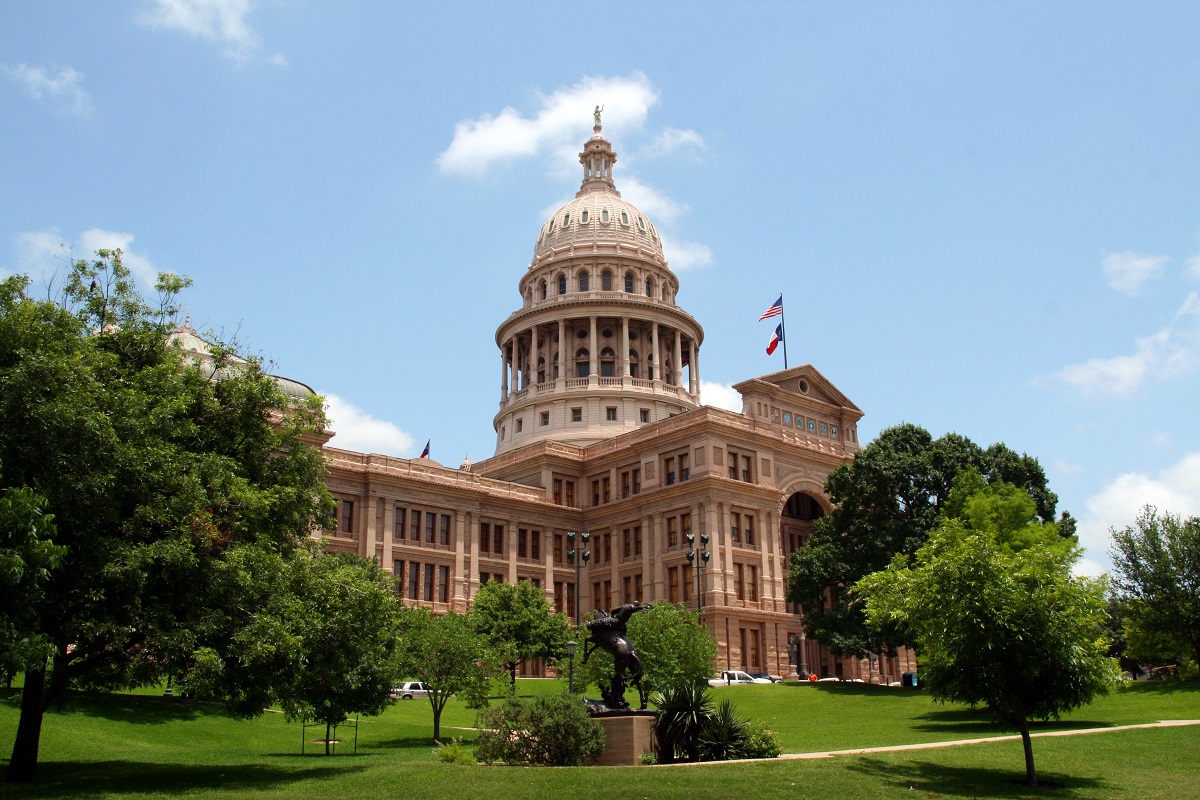
Texas Gov. Greg Abbott on June 18 signed into law House Bill 4, the Texas Data Privacy and Security Act. This makes Texas the 10th state to enact a comprehensive consumer data privacy law, following California, Virginia, Colorado, Utah, Connecticut, Iowa, Indiana, Tennessee, and Montana.

Texas Gov. Greg Abbott on May 27 signed into law Senate Bill 768 which amends the state’s data breach notification statutes. The amendments go into effect Sept. 1, 2023.

Montana Gov. Greg Gianforte on May 19 signed into law Senate Bill 384, the Montana Consumer Data Privacy Act, making Montana the ninth state to enact a comprehensive consumer data privacy law, following California, Virginia, Colorado, Utah, Connecticut, Iowa, Indiana, and Tennessee. The law will take effect Oct. 1, 2024.

Tennessee Gov. Bill Lee on May 11 signed into law House Bill 1181, making Tennessee the eighth state to enact a comprehensive consumer data privacy law, following California, Virginia, Colorado, Utah, Connecticut, Iowa, and Indiana. The law will take effect July 1, 2024.

Indiana Gov. Eric Holcomb on May 1 signed into law Senate Bill 5, making Indiana the seventh state to enact a comprehensive consumer data privacy law, following California, Virginia, Colorado, Utah, Connecticut, and Iowa. The law will take effect Jan. 1, 2026.
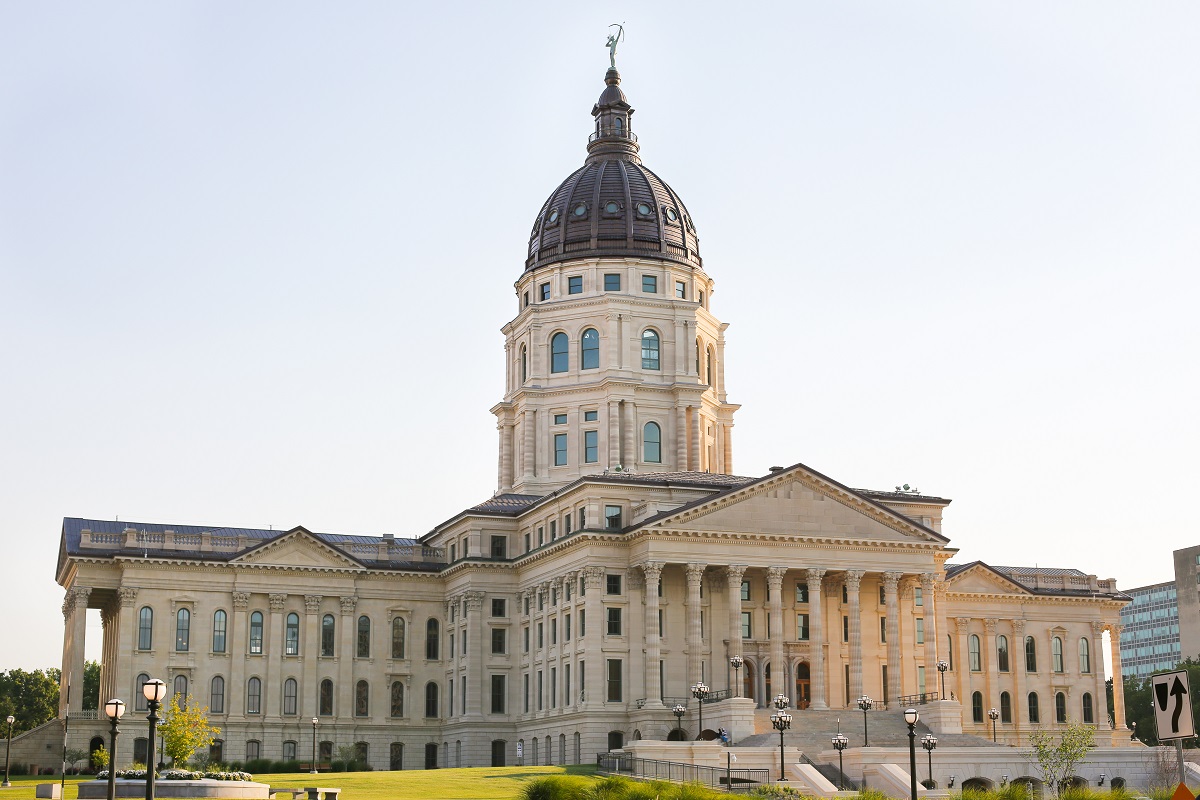
Kansas Gov. Laura Kelly has approved enactment of Senate Bill 44 which requires certain financial institutions to establish information security standards consistent with the federal Gramm-Leach-Bliley Act’s Safeguards Rule, 16 C.F.R. § 314.1, et seq. The Kansas Financial Institutions Information Security Act becomes effective July 1, 2023.

The Texas House of Representatives on April 4 voted unanimously in favor of Texas House Bill 4, the Texas Data Privacy and Security Act. The Texas legislature remains in session through May 29, so there is ample time for the legislation to continue its course.

Iowa Gov. Kim Reynolds on March 28 signed into law SF 262, making Iowa the sixth state to enact comprehensive consumer data privacy legislation. The other states are California, Virginia, Colorado, Utah, and Connecticut. The law will take effect Jan. 1, 2025.

Utah Gov. Spencer Cox on March 23 signed into law Senate Bill 127, which amends the state’s data breach notification statutes. The amendments go into effect May 2, 2023.