
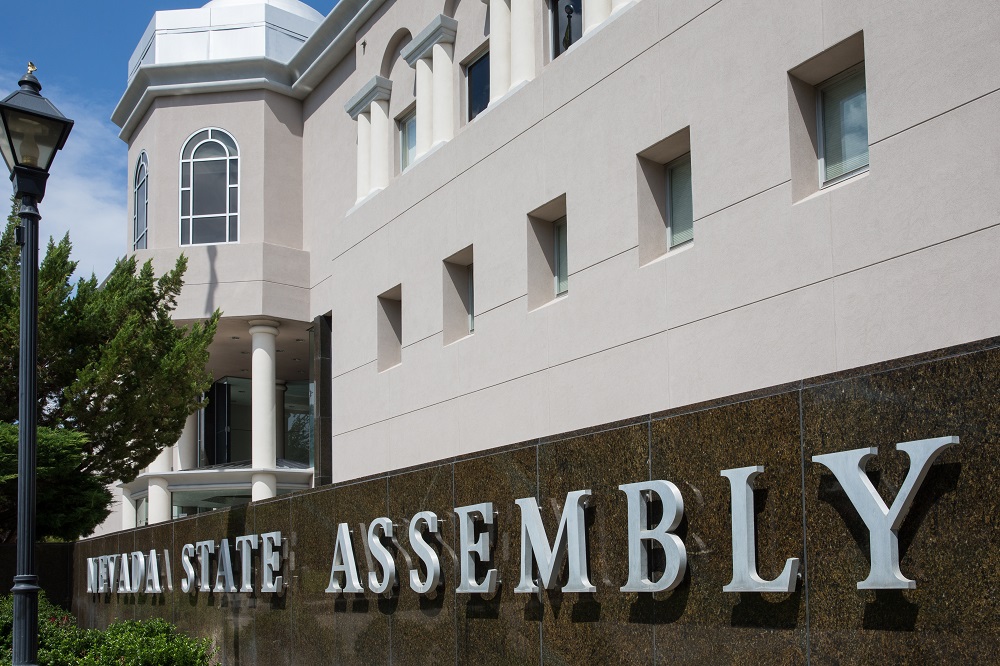
Nevada SB248, which regulates the collection of certain medical debt in the state, becomes effective July 1. The bill, introduced in March 2021, was rushed through the Legislature before it went out of session on June 1. The result is that SB248 is a broken piece of legislation bound to cause harm to medical consumers, the medical collections industry, and health care providers.
Posts published in “State & Local Regulation”

The Maryland Court of Appeals, the highest court in the State, recently held that the plaintiffs owners and tenants of residential properties set forth a cause of action under Md. Code Real Prop. 7-113 against a mortgage servicer and real estate broker for supposedly posting eviction notices without first ascertaining the occupancy status, even though the notices did not cause the occupants to vacate the properties.

On March 15, the California Office of the Attorney General announced that additional regulations relating to the California Consumer Privacy Act (CCPA) had been approved, effective immediately.

On Jan. 19, a federal court in Pennsylvania dismissed a complaint against a debt buyer which alleged violations of the federal Fair Debt Collection Practices Act stemming from an alleged failure to be licensed under the Pennsylvania Consumer Discount Company Act.

During what was an extraordinary and difficult year, there was an abundance of activity at the state and federal levels and a good deal of it was driven by the present COVID-19 pandemic. Here is my take on some of the most significant regulatory activities from the past year in consumer debt collection that will continue to impact both consumers and creditors in the years to come.

On Sept. 9, 2020, California Assembly Bill 1885 was enacted, significantly increasing the amount of California’s homestead exemption. The amendment becomes effective Jan. 1, 2021.

On June 27, the City of New York’s new rules aimed at language access in debt collection become effective. I am often asked whether they apply to creditors as well. It appears that particular provisions of the new rules do cover creditors collecting their own debt.
Yesterday ARM industry trade associations ACA, New York State Collectors Association and the Receivables Management Association International (RMAI), along with the National Creditors Bar Association and the New York State Bar Association submitted a joint letter to the New York City Department of Consumer and Worker Protection (formerly the Department of Consumer Affairs) requesting a 60-day extension to the effective date of its new language preference rules.
The New York City Department of Consumer and Worker Protection has adopted new rules requiring debt collectors to provide consumers with language preference disclosures and an affirmative obligation to request and record the consumer’s language preference.

A number of states have tolled the statutes of limitations on legal actions in response to COVID-19. The Iowa Supreme Court announced a toll on statutes of limitations in a March 17 order regarding court procedures. According to a March 23 operations summary from the Iowa Judicial Branch: “The March 17th order is intended to toll the statute of limitations or similar deadline for commencing an action in district court by 48 days. Tolling means you add that amount of time to the statute of limitations. So, for example, if the statute would otherwise run on April 8, 2020, it…
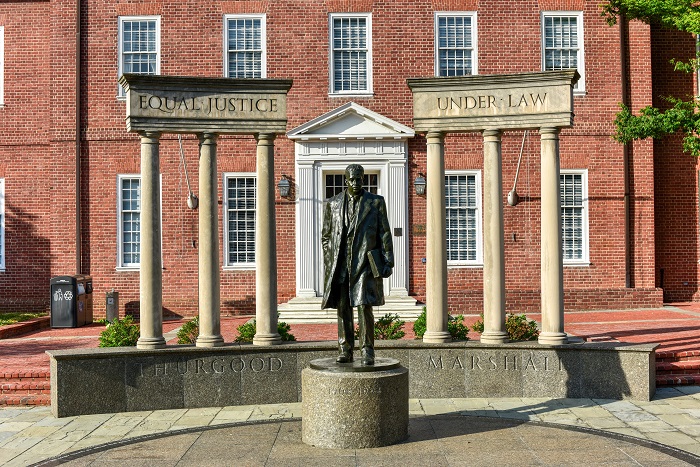
The Maryland Court of Appeals recently held that victims on whose behalf money is collected or property is recovered by the Maryland Consumer Protection Division of the Attorney General's Office (CPD) or federal Consumer Financial Protection Bureau have no authority, through a private settlement, whether or not approved by a court, to preclude the CPD or CFPB from pursuing their own remedies.

The “Minnesota Consumer Data Privacy Act,” HF 3936, is a walleye-size privacy bill that significantly expands on the California Consumer Privacy Act. Unlike the CCPA, it does not include a dollar threshold for applicability.