

On June 27, the City of New York’s new rules aimed at language access in debt collection become effective. I am often asked whether they apply to creditors as well. It appears that particular provisions of the new rules do cover creditors collecting their own debt.
Posts published in “State & Local Regulation”
Yesterday ARM industry trade associations ACA, New York State Collectors Association and the Receivables Management Association International (RMAI), along with the National Creditors Bar Association and the New York State Bar Association submitted a joint letter to the New York City Department of Consumer and Worker Protection (formerly the Department of Consumer Affairs) requesting a 60-day extension to the effective date of its new language preference rules.
The New York City Department of Consumer and Worker Protection has adopted new rules requiring debt collectors to provide consumers with language preference disclosures and an affirmative obligation to request and record the consumer’s language preference.

A number of states have tolled the statutes of limitations on legal actions in response to COVID-19. The Iowa Supreme Court announced a toll on statutes of limitations in a March 17 order regarding court procedures. According to a March 23 operations summary from the Iowa Judicial Branch: “The March 17th order is intended to toll the statute of limitations or similar deadline for commencing an action in district court by 48 days. Tolling means you add that amount of time to the statute of limitations. So, for example, if the statute would otherwise run on April 8, 2020, it…
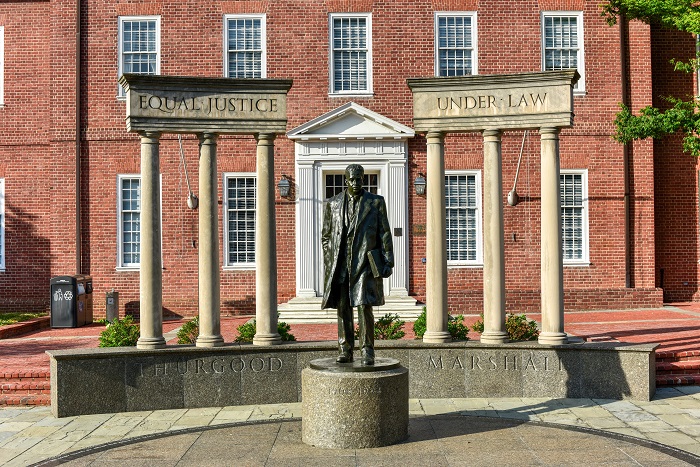
The Maryland Court of Appeals recently held that victims on whose behalf money is collected or property is recovered by the Maryland Consumer Protection Division of the Attorney General's Office (CPD) or federal Consumer Financial Protection Bureau have no authority, through a private settlement, whether or not approved by a court, to preclude the CPD or CFPB from pursuing their own remedies.

The “Minnesota Consumer Data Privacy Act,” HF 3936, is a walleye-size privacy bill that significantly expands on the California Consumer Privacy Act. Unlike the CCPA, it does not include a dollar threshold for applicability.

Instead of introducing one all-encompassing bill addressing consumer data privacy issues, legislators in Wisconsin have introduced three consecutively-numbered privacy bills.

Rhode Island S 2430 is titled the “Consumer Privacy Protection Act” and has a number of provisions similar to the California Consumer Privacy Act, though the annual gross income threshold is much lower.

Although just over five pages in length (excluding the cover page and three-page summary), New Jersey S269 is not your garden-variety piece of privacy legislation and is packed with plenty of weedy issues.
Legislators in Mississippi recently introduced SB 2548. the "Mississippi Consumer Data Privacy Act." The bill contains provisions similar to the California Consumer Privacy Act but goes further than the CCPA with a lower annual gross revenue threshold, applying to any for-profit business, or any entity that controls or is controlled by such a business, that does business in Mississippi.

Illinois SB 3299 and HB 5603 are nearly identical and would create the “Consumer Privacy Act.”

Idaho HB 425 was introduced on Feb. 6, 2020, to address the perceived issue that “current Idaho law enables excessive attorney's fees and fails to provide judges with clear guidance to combat abuses of the collections process.” This proposed law would apply to “any person” and does not limit its application to debt collectors.