

March 15 was the deadline for the New York State Department of Financial Services to publish its proposed amendments to its debt collection rule. It didn’t and so they have expired. While the latest version of the proposed amendments has expired, you can bet on DFS releasing an updated version in the coming months.
Posts published in “State & Local Regulation”

The New York Department of Financial Services and the New York City Department of Consumer and Worker Protection are simultaneously engaged in amending their consumer debt collection rules. While the DFS rulemaking has been underway for nearly two years, the DCWP began its efforts last fall.

Last year saw an influx of federal and state regulation aimed at what information must be conveyed to consumers in anticipation of the provision of medical services as well as restrictions on the collection of medical debt. Expect more activity in 2023.

Just a few years ago, the annual review would primarily encompass federal activity. But a shift began in 2018, and by the close of this year, it’s clear there is far more state activity impacting consumer debt collection.

Over the past year, the ebb and flow of bankruptcy filings has been an interesting one. Through 11 months, the number of bankruptcy filings have decreased from 2021, which were at their lowest levels since the 1980s.
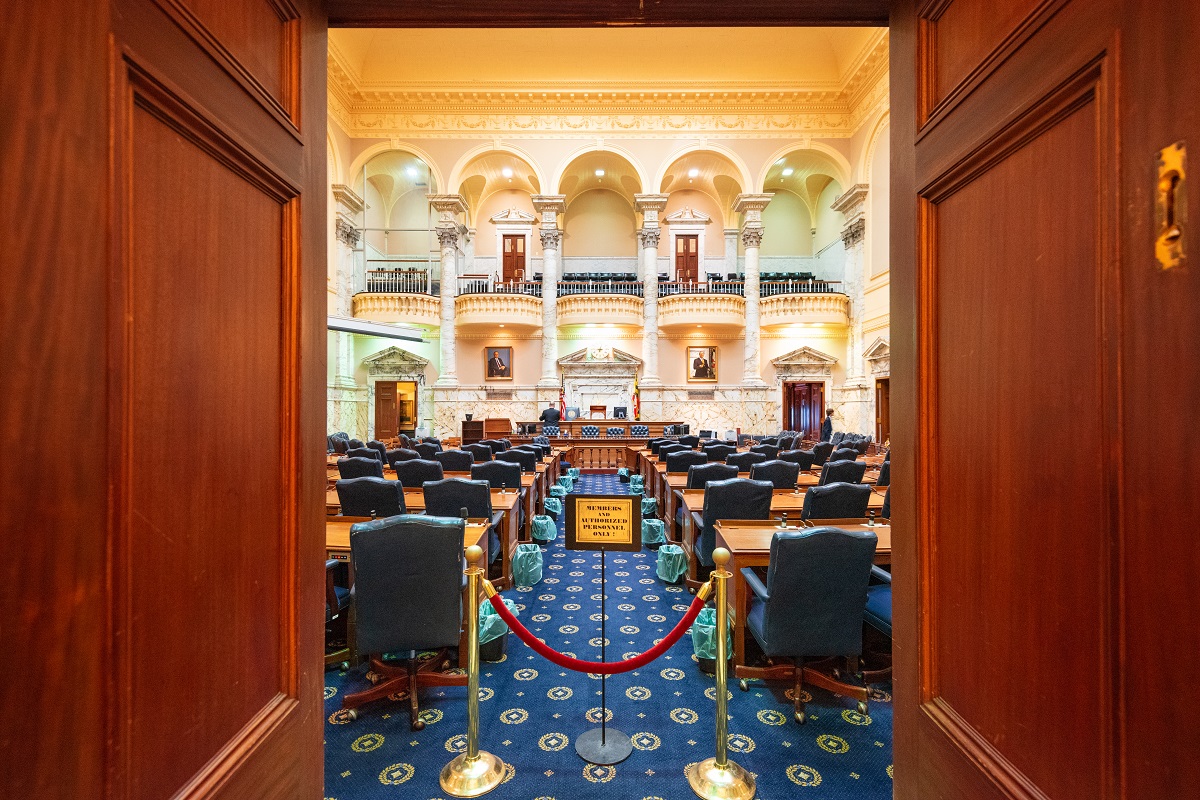
The upward trend in data privacy legislation continued in 2022. According to the National Conference of State Legislatures, “[a]t least 35 states and the District of Columbia in 2022 introduced or considered almost 200 consumer privacy bills,” which is a significant increase from 160 bills in 2021.

Legislation introduced in the New Jersey Assembly and Senate would prohibit “health care providers” from furnishing information concerning medical debt to credit reporting agencies.

The Superintendent for the New York Department of Financial Services recently announced a consent order assessing a $4.5 million penalty against a health insurance company for violations of the DFS Cybersecurity Regulations, 23 NYCRR, Part 500.
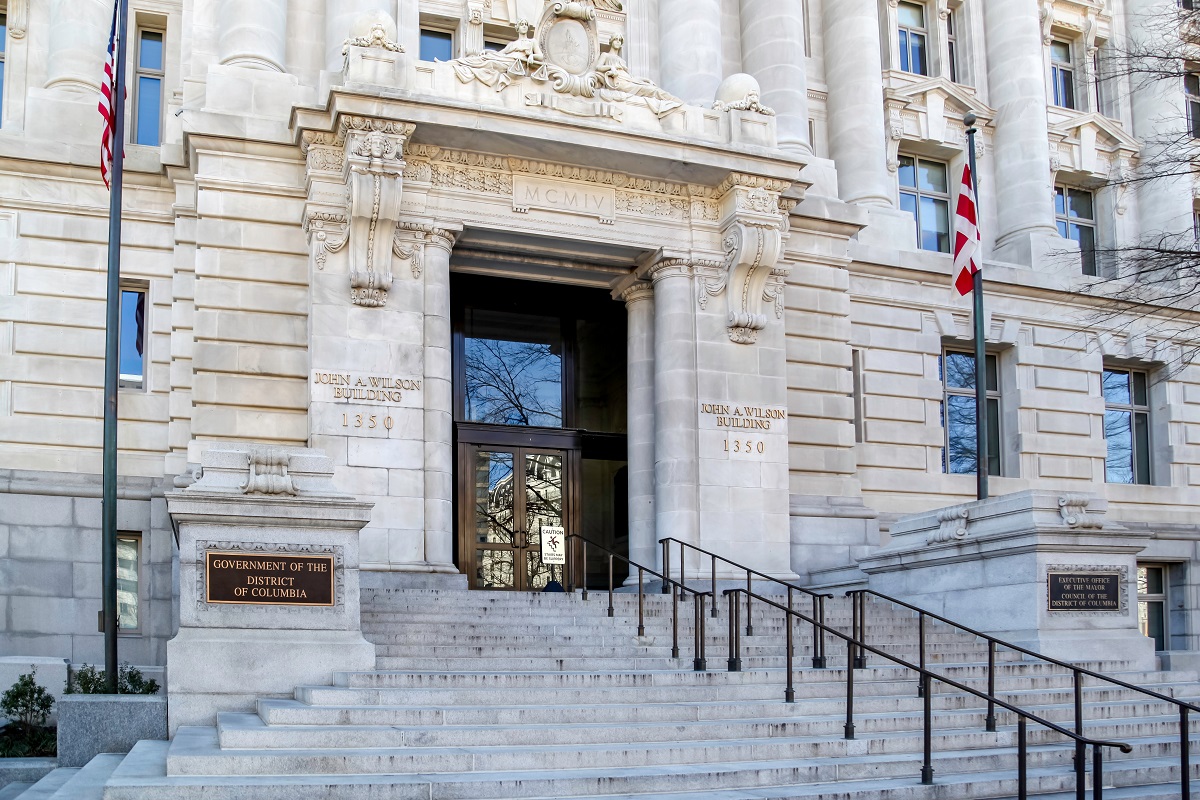
Beginning Jan. 1, businesses operating in the District of Columbia will face new challenges under the DC Council’s new debt collection law with costly penalties in place for those who don’t comply.

A group is pushing Arizona Proposition 209, a ballot measure they say will reduce the burden of “medical debt.” But while a small portion of Proposition 209 might relieve some of the burden of medical debt, other beneficiaries are swindlers and bad actors.

On Sept. 27, Michigan Sen. Rosemary Bayer and eight fellow Democrat cosponsors introduced Senate Bill 1182, which would create the Michigan Personal Data Privacy Act. The Michigan Legislature remains in session through the end of the year.
On July 29, 2022, the New York Department of Financial Services published pre-proposal draft amendments to its Cybersecurity Regulations, 23 NYCRR 500.00, et seq. , that if adopted will require covered entities to implement numerous policy and operational changes.