

The U.S. Court of Appeals for the Seventh Circuit recently affirmed the dismissal of several actions by a borrower against a mortgagee, and in so ruling also held that it did not have jurisdiction to review the lower court’s remand order, and that the borrower had waived his right to challenge an award of attorney fees and costs in connection with the remand.
Posts published by “Maurice Wutscher LLP”
The attorneys of Maurice Wutscher are seasoned business lawyers with substantial experience in business law, financial services litigation and regulatory compliance. They represent consumer and commercial financial services companies, including depository and non-depository mortgage lenders and servicers, as well as mortgage loan investors, financial asset buyers and sellers, loss mitigation companies, third-party debt collectors, and other financial services providers. They have defended scores of putative class actions, have substantial experience in federal appellate court litigation and bring substantial trial and complex bankruptcy experience. They are leaders and influencers in their highly specialized area of law. They serve in leadership positions in industry associations and regularly publish and speak before national audiences.

The Illinois Court of Appeals, First District, recently affirmed a trial court's ruling dismissing claims for fraud, breach of fiduciary duty, conversion, and tortious interference as untimely and further affirmed the dismissal of claims for respondeat superior liability, prejudgment interest and attorney’s fees on the basis that the substantive claims were untimely.

The California Court of Appeal, Fourth District, recently affirmed a trial court’s denial of a debt buyer’s motion to compel arbitration, holding that an affidavit from the original creditor’s employee, used by the debt buyer to prove that an arbitration agreement had been mailed to the borrower, lacked foundation, and violated the secondary evidence rule.

The Appellate Court of Illinois, First District, recently affirmed an $11 million arbitration award entered by a Financial Industry Regulatory Authority panel in favor of a financial advisor and against his former employer. In doing so, the Court held that the “public policy” exception of the Illinois Uniform Arbitration Act is limited to arbitration awards arising from a collective bargaining agreement (CBA).

The U.S. Court of Appeals for the Fifth Circuit recently rejected a borrower’s objections to a bankruptcy court’s jurisdiction and held that the doctrine of res judicata barred the borrower’s claim objection as it was ultimately based on the alleged impropriety of the creditor’s claim from a prior bankruptcy.

The Appellate Court of Illinois, Second District, recently reversed a trial court’s grant of a borrower’s motion to dismiss a mortgagee’s foreclosure complaint and the trial court’s denial of the mortgagee’s motion to reconsider.

The Appellate Court of Illinois, Second District, recently affirmed a trial court's ruling denying a borrower’s motion to vacate the default judgment of foreclosure against him and confirming the judicial sale of the borrower’s property.

The U.S. Court of Appeals for the Eleventh Circuit recently ruled that a debtor’s appeal of a sale order was statutorily mooted by Subsection 363(m) of the Bankruptcy Code.
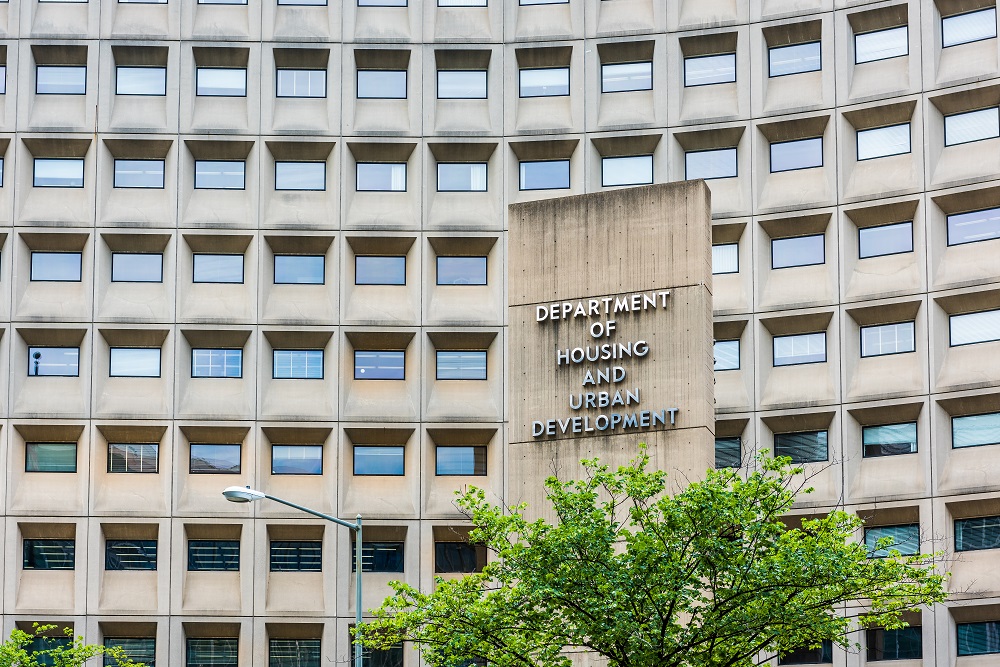
The Appellate Court of Illinois, First District, recently vacated a judgment of foreclosure entered against a homeowner borrower, concluding that the mortgagee failed to conduct a face-to-face meeting with her prior to initiating foreclosure proceedings, as required for mortgage loans insured by the Department of Housing and Urban Development (HUD).

The Appellate Court of Illinois, First District, recently affirmed a trial court’s dismissal with prejudice of a complaint from two borrowers alleging claims for among other things “wrongful foreclosure,” wrongful eviction, fraud, consumer fraud, false imprisonment, and a due process violation under 42 U.S.C. § 1983.

The Maryland Court of Appeals, the state's highest court, recently held that judgments obtained by an unlicensed debt buyer were not void, and that the debtors' claims for unjust enrichment and money damages under the Maryland Consumer Protection Act (MCPA) and the Maryland Consumer Debt Collection Act (MCDCA) were subject to Maryland's general three-year statute of limitations.

The California Court of Appeal, Second District, recently granted a lender’s petition for a writ of mandate compelling the trial court to vacate its order granting the borrower’s petition to compel arbitration.